Cabinet Refacing in Huntington Beach, CA
Cabinet refacing is for households in Huntington Beach, and in the coastal Orange County towns beside it, whose kitchen layout still works but whose doors and finish look thirty years old. You keep the boxes and the plumbing, and the room reads as a new kitchen for roughly half the cost of one.
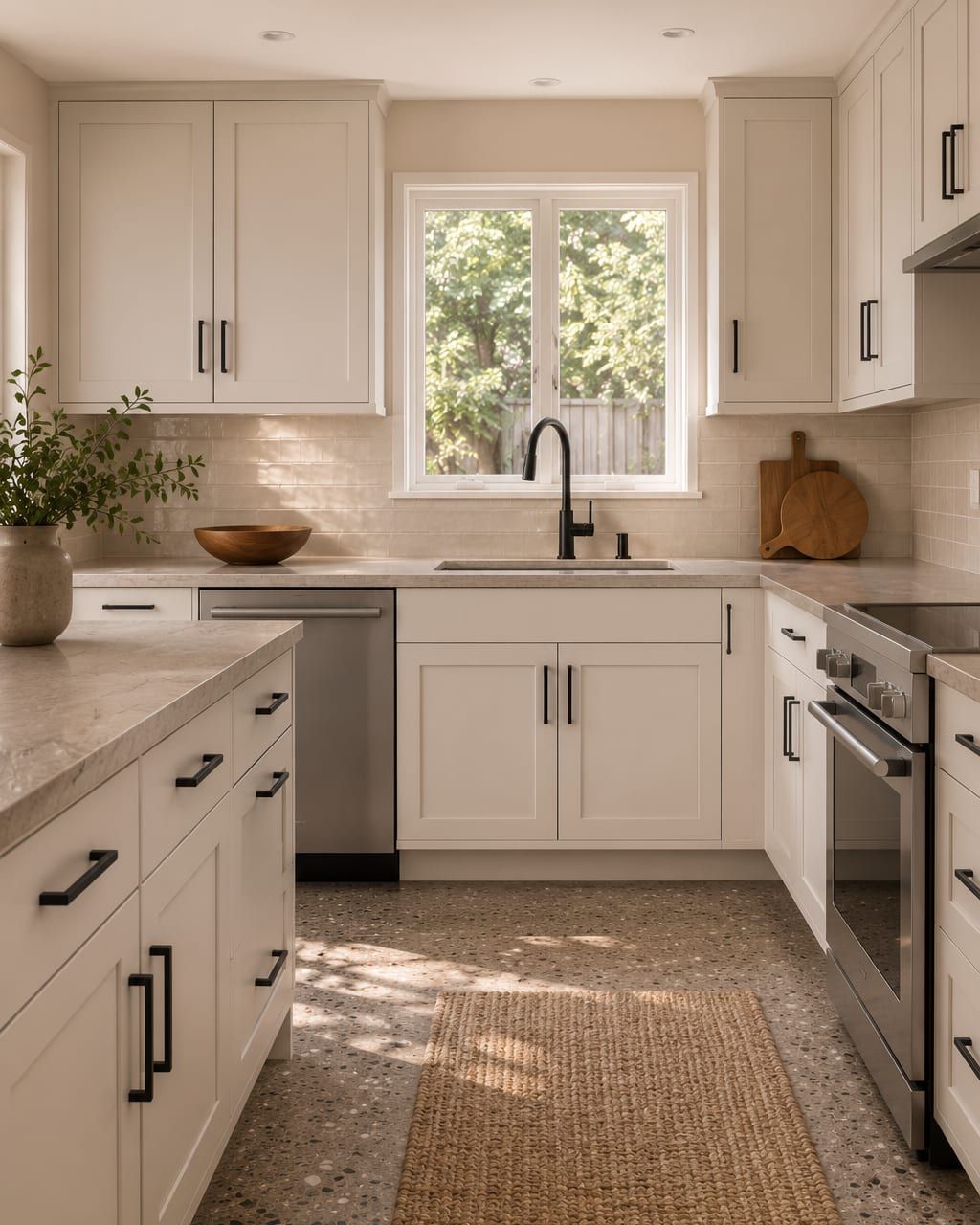
What Cabinet Refacing Actually Changes
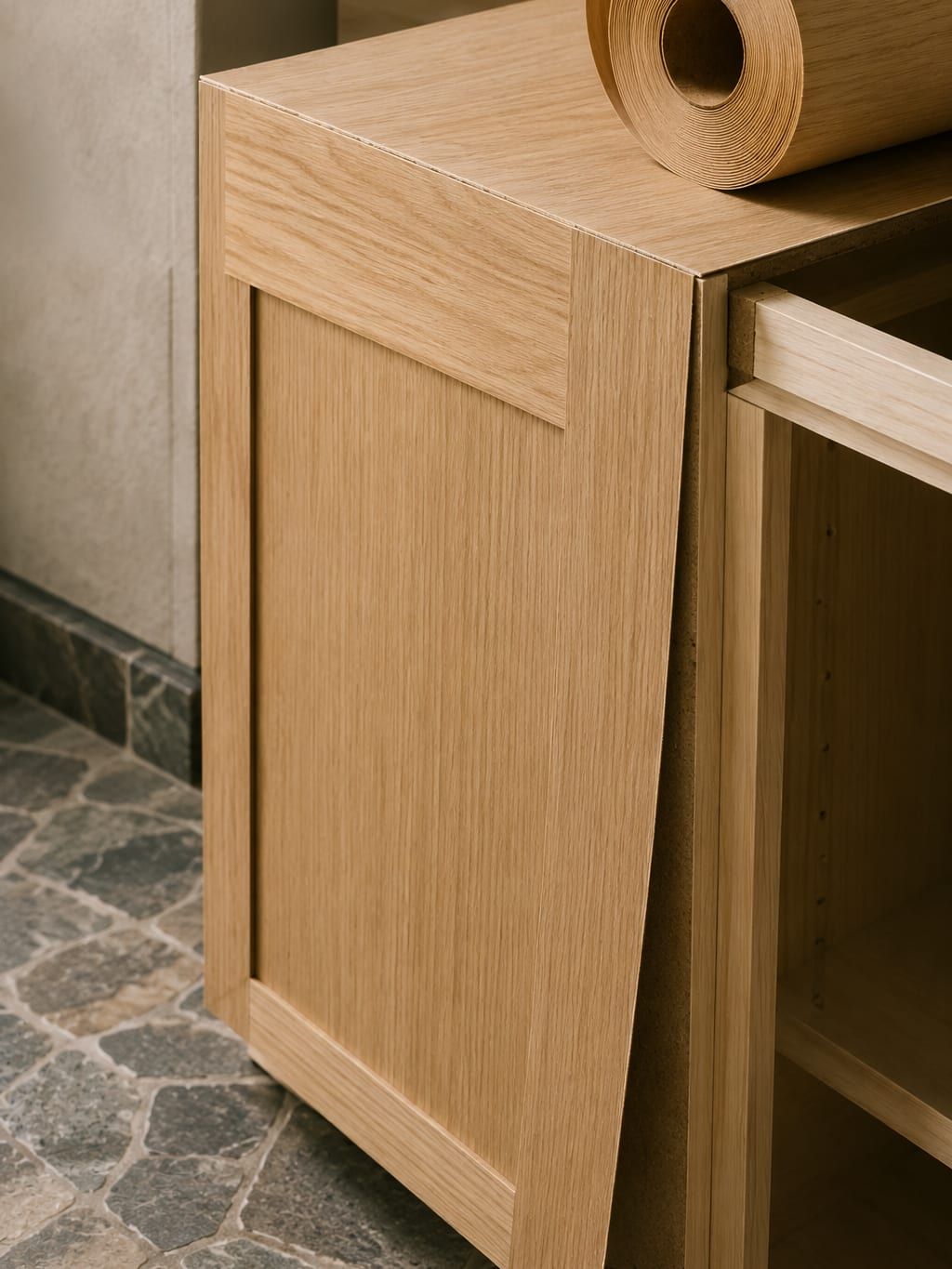
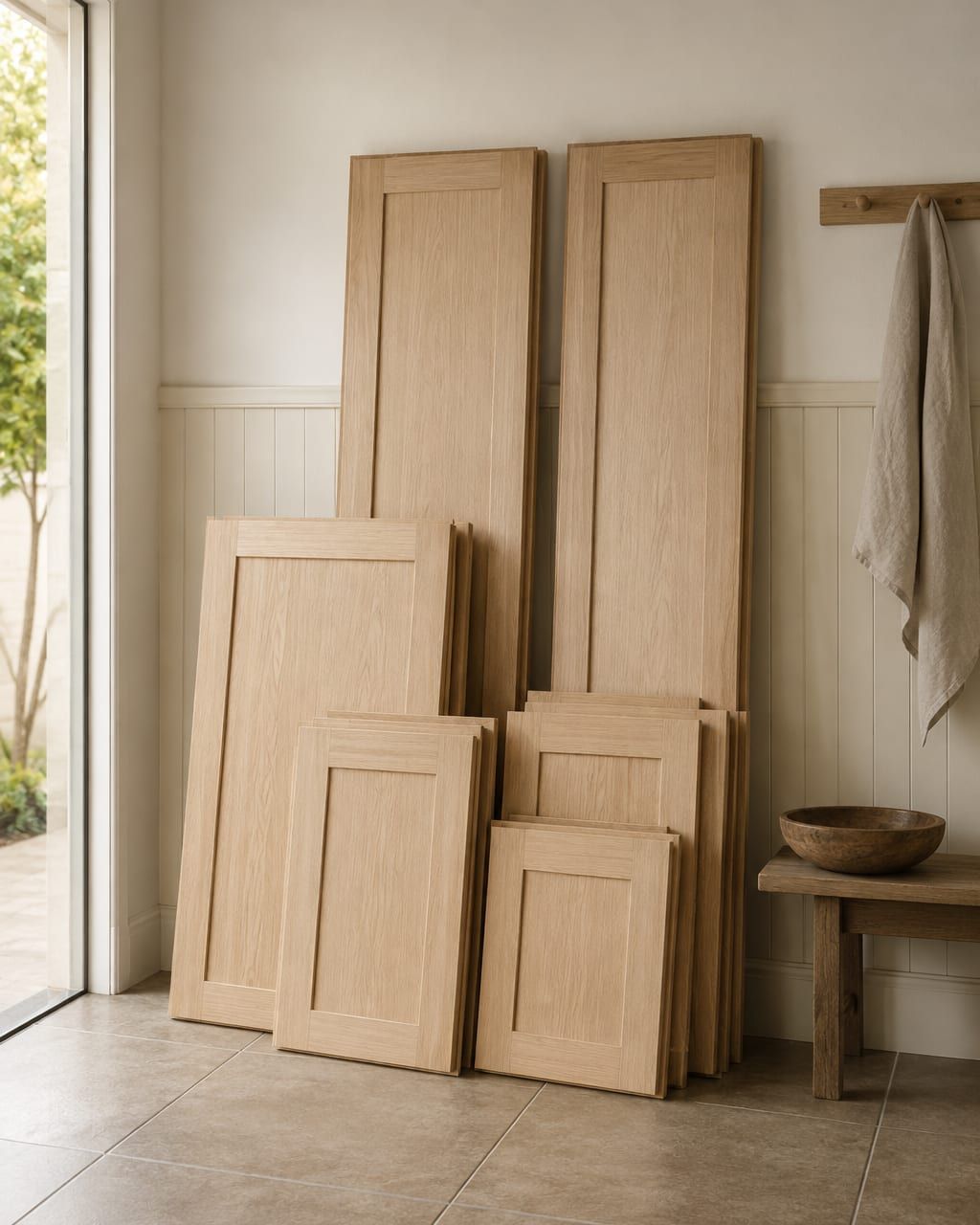
Refacing replaces every part of the cabinetry you can see and keeps every part you cannot. The old doors and drawer fronts come off and go away. New ones are made to the same openings in the door style and finish you chose. The face frames, the exposed cabinet ends and any visible toe kick get a matching veneer, so the frame around each new door matches the door itself rather than showing the old color.
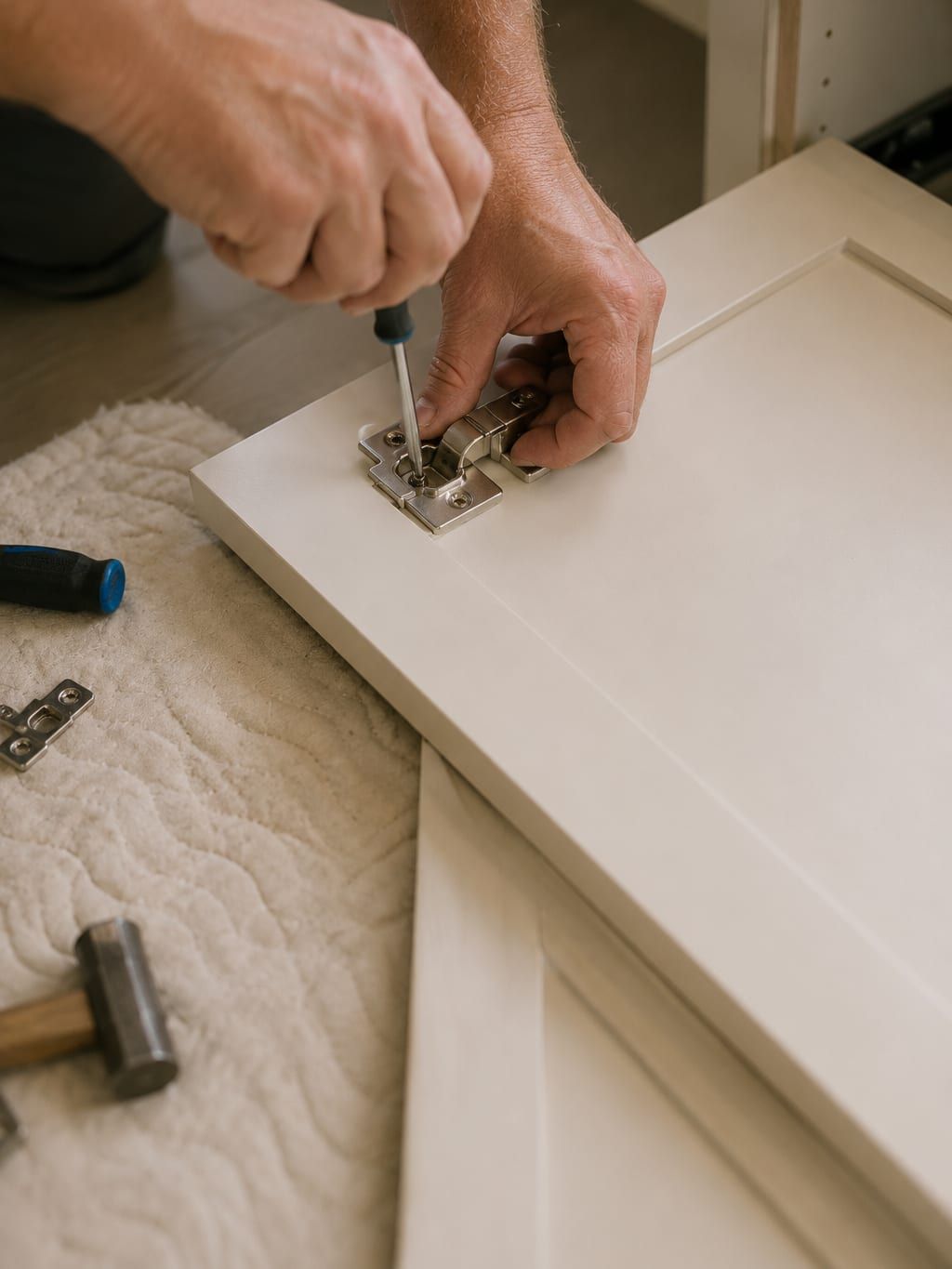
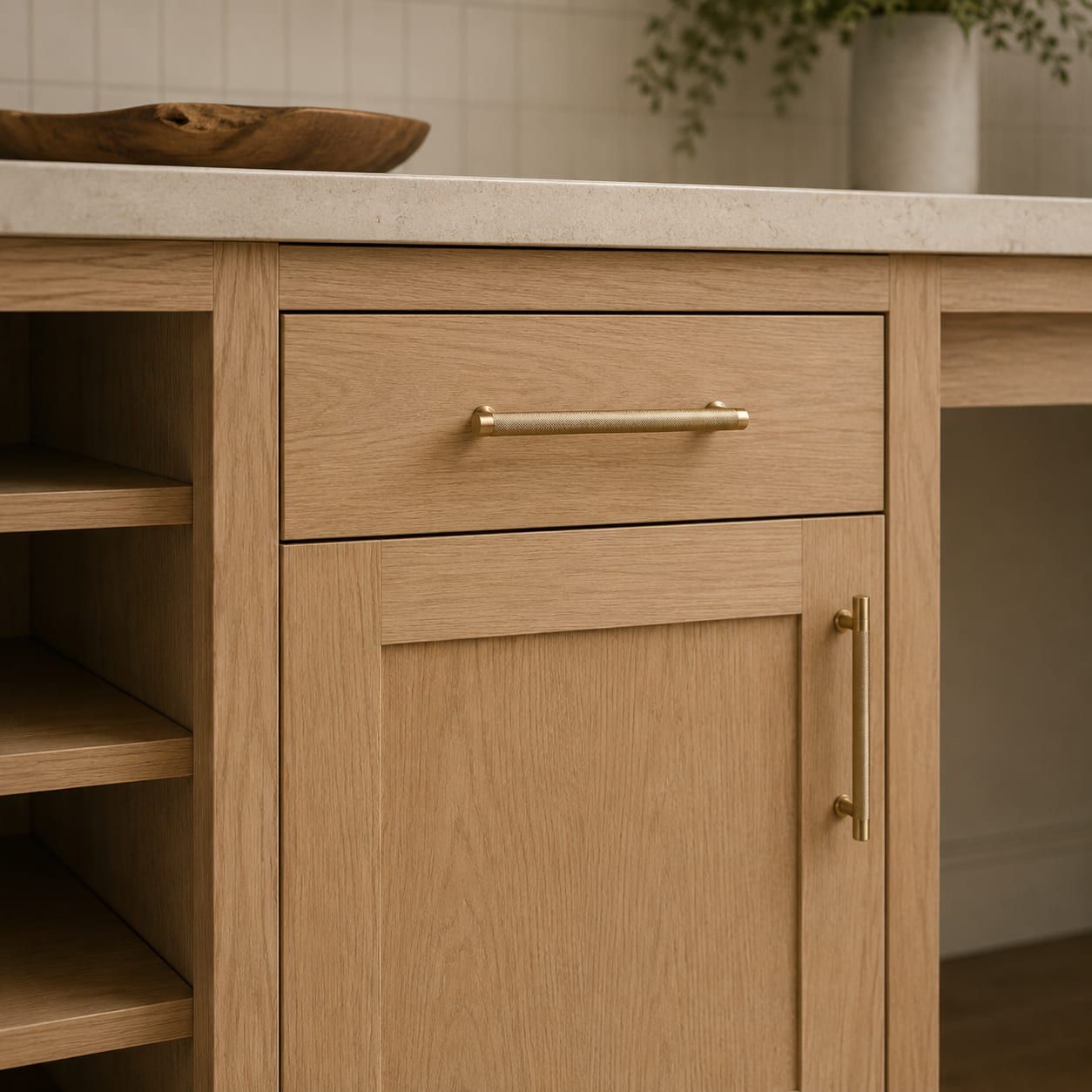
Hardware is part of the job, not an extra. Hinges are replaced, usually with concealed soft close hinges, because old surface hinges rarely line up with a new door. Handles and knobs are yours to choose. Inside the boxes we can add rollout shelves, a waste pull out or new drawer boxes on modern slides, and those upgrades are where refacing quietly becomes a better kitchen rather than just a prettier one.
What does not change: box positions, box sizes, the sink location, the appliance openings and the counter. If any of those need to move, you are looking at new kitchen cabinets instead.
When Cabinet Refacing Is the Right Spend, and When It Is Not
Reface when three things are true at once. The layout works, meaning you are not fighting the kitchen every time you cook. The boxes are sound, meaning firm bottoms, square sides and no water damage. And your objection is visual: dated door profiles, a color from another decade, a finish worn through at the handles.
Do not reface when any one of those fails. A layout you dislike stays disliked. Boxes that are swollen or separating will not hold new doors in alignment, and hanging good doors on a failing box is money spent twice. And if you want deep drawers where there are currently doors, or a different appliance arrangement, the boxes themselves have to change.
There is also a middle path that gets overlooked. Replacing one or two failed boxes, usually the sink base, and refacing everything else, is common and it is often the best value job in the whole kitchen.
Refacing Versus Refinishing Versus Cabinet Painting
These three get used interchangeably and they are different jobs at different prices, so it is worth being precise before you compare quotes.
Cabinet refinishing works with the doors you already own. They come off the boxes, get stripped or sanded back, are repaired where they need it, and go back on with a freshly sprayed finish. The door shape stays exactly as it was, which is the point when your existing doors are solid wood with a profile worth keeping. Refinishing is typically half the cost of refacing and the whole job is about color and surface.
Cabinet painting is the lightest of the three. The doors come off, the work happens in the house, and the color changes without anything being done about the wear underneath. It is the cheapest option and the first to show its age, particularly around handles and above a range.
Refacing is the most expensive of the three and the only one that changes the door itself. If your doors are a shape you do not want to look at any longer, refinishing cannot help you and refacing is the answer.
What Drives the Cost of a Cabinet Refacing Job
Opening count comes first. A reface is priced per opening, so two kitchens that measure the same along the wall can land thousands apart when one is broken into narrow units and the other is not. Door material and style is second: a flat slab in a laminate face costs less than a solid wood inset shaker.
Veneer area is third, and it is driven by how many exposed cabinet ends and open sides the run has. An island with three finished sides adds real area. Interior upgrades are fourth: rollouts, new drawer boxes and soft close conversions are each priced per unit and add up quickly across a full kitchen. Hardware is fifth and is entirely your choice.
Because refacing is priced from a count rather than a floor plan, the written number can be exact rather than approximate. The cost guide puts refacing next to full replacement so you can see both numbers before deciding. That same count-based estimate applies one town over, so a kitchen in Westminster is priced exactly the way a kitchen here is.
Frequently Asked Questions
How much does cabinet refacing cost compared with replacing?
Refacing usually lands between forty and sixty percent of the price of tearing a kitchen out and building new custom cabinetry, so a kitchen that would be $32,000 built new often refaces for $13,000 to $19,000. The reason for the spread is door count, not room size. You are buying a new door and a new drawer front for every opening, plus veneer for every visible frame, plus hardware, so a kitchen with many small doors costs more to reface than a kitchen of the same length with fewer large ones. Adding soft close hinges, new drawer boxes or a pull out inside an existing box moves the number as well. We count openings at the visit and quote from the count.
What is the difference between refacing, refinishing and painting?
Refacing replaces the doors and drawer fronts with new ones and covers the visible face frames with matching veneer, so the boxes stay and everything you see is new. Refinishing keeps your existing doors, strips or sands them back and puts a new coat on them, so the door style does not change but the color and sheen do. Painting is the lightest version of refinishing, usually done on site with the doors removed, and it changes color only. Refacing costs the most and looks like new cabinetry. Refinishing costs less and is the right answer when the doors are solid wood and you like their shape. Painting is cheapest and is the shortest lived of the three.
How long does a kitchen refacing job take?
Two to four days on site for most kitchens, once the doors and veneer have been made, and that lead time is usually three to five weeks. Day one is removal of the old doors and preparation of the frames. Day two is veneer. Day three is hanging and aligning the new doors and drawer fronts. Day four, if the job needs it, is hardware, filler pieces and touch up. Your kitchen stays usable throughout, because the boxes never leave and the sink and appliances are never disconnected. That is the practical reason many households choose refacing over replacement even when the budget would stretch to new cabinets.
Can boxes in a beach city house really be sound enough to reface?
Often yes, and the test is quick. Open a door and press down hard on the base of the box at its back corner. If it is firm, if the sides are still square, if the shelf does not sag under weight and if the box is screwed to its neighbors rather than nailed, the boxes have years left and refacing is honest value. What rules it out is water damage under the sink base, a swollen or crumbling bottom panel, sides that have separated at the back, or a box that was made from thin particleboard to begin with. Coastal humidity accelerates all of those, so the sink cabinet is usually the one that fails first, and replacing that single box while refacing the rest is a normal and sensible plan.
Should I reface if I want to change the kitchen layout?
No. Refacing keeps every box exactly where it is, so it cannot move a wall of cabinets, widen an opening for a range, add an island, or turn a run of doors into deep drawers under the counter. When any of that is on your list, the money is better spent on new cabinetry drawn to the layout you actually want, because refacing a layout you dislike leaves you with an attractive version of the same frustration. Refacing is the right tool when the plan works and the surfaces are tired.
Get a written refacing quote
Free in-home consultation and a written quote.